

Blogs
Spiritual Significance of Kailash Mansarovar: Why Pilgrims From Around the World Visit
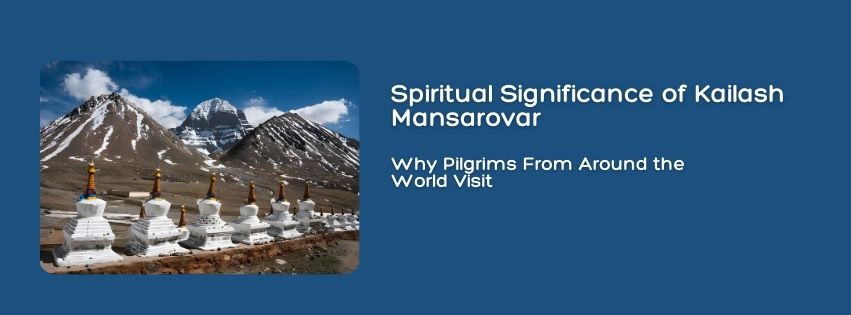
- 25 Nov, 2025
Mount Kailash and Lake Mansarovar, nestled in the remote region of Tibet, are among the most sacred sites in the world. For centuries, devotees have journeyed here to experience spiritual purification, seek blessings, and perform ancient rituals. The spiritual significance of Kailash Mansarovar goes beyond religion; it represents faith, endurance, and a deep connection to the divine.
Pilgrims from Nepal, India, Bhutan, and even distant countries consider this pilgrimage one of the most important journeys in their spiritual lives. Beyond its sacred status, the stunning Himalayan landscape, high-altitude lakes, and serene environment make it a truly transformative experience.
Why Kailash Mansarovar Holds Spiritual Importance
Mount Kailash is revered in four major religions—Hinduism, Buddhism, Jainism, and Bon—each attributing profound spiritual power to the mountain.
Hinduism
In Hindu beliefs, Mount Kailash is the eternal abode of Lord Shiva, the god of destruction, regeneration, and meditation. Hindus believe that performing a parikrama (circumambulation) around Kailash removes sins and helps achieve spiritual liberation. The journey is considered so sacred that many pilgrims undertake it once in their lifetime.
Buddhism
For Buddhists, Kailash is home to Demchok (Chakrasamvara), representing supreme bliss. Pilgrims believe that circling the mountain and meditating here purifies the mind, brings merit, and aids spiritual growth. Tibetan monasteries around the region add to the spiritual aura, offering opportunities for prayers, chants, and learning.
Jainism
Jains consider Kailash as the place where Rishabhadeva, the first Tirthankara, attained nirvana. The pilgrimage is thus seen as a path to liberation and spiritual merit. Visiting Kailash is a way to honor ancient teachings and follow in the footsteps of spiritual leaders.
Bon Religion
The Bon religion, Tibet’s indigenous faith, views Kailash as a sacred center of spiritual energy. Pilgrims perform rituals to connect with this powerful energy, seeking protection, enlightenment, and harmony.
The Role of Mansarovar Lake in Spiritual Purification
Lake Mansarovar, located near Mount Kailash, is equally sacred. Pilgrims take a holy dip in its crystal-clear waters, believing it cleanses the body, mind, and soul. The lake is considered a source of divine blessings, and its serene surroundings encourage meditation and reflection. Legends say that drinking or bathing in the waters of Mansarovar brings spiritual rejuvenation and healing.
Pilgrimage Practices and Rituals
The journey to Kailash Mansarovar is more than a physical trek; it’s a deeply spiritual journey involving several traditional practices:
- Kora (Circumambulation): The 52-kilometer trek around Mount Kailash is considered extremely auspicious. Pilgrims often perform this trek on foot, enduring high-altitude challenges as a form of penance and devotion.
- Holy Bath in Mansarovar Lake: Taking a dip in the lake is a symbolic act of purification. Many pilgrims perform rituals at sunrise or sunset to maximize spiritual benefits.
- Prayers and Offerings: Devotees chant mantras, meditate, and make offerings at sacred points along the route, enhancing their spiritual connection.
These rituals are not merely ceremonial—they represent commitment, faith, and the willingness to overcome challenges for spiritual growth.
The Transformative Experience of the Pilgrimage
The Kailash Mansarovar Yatra is physically and mentally demanding. Pilgrims traverse high-altitude passes, endure unpredictable weather, and face rugged terrain. Many describe the journey as life-changing, offering deep insights into patience, devotion, and inner strength.
For some, the pilgrimage brings spiritual clarity. For others, it strengthens personal faith and resilience. Completing the Yatra is seen as an accomplishment that brings spiritual merit and lasting peace.
Why People From Around the World Visit Kailash Mansarovar
Spiritual Growth: Pilgrims seek inner peace, cleansing of sins, and blessings from deities.
Cultural Immersion: Visiting monasteries, interacting with local Tibetan communities, and witnessing ancient rituals provide a unique cultural experience.
Connection Across Religions: Followers of different faiths come together at this sacred site, united by reverence for the mountain and lake.
Adventure and Natural Beauty: The journey offers breathtaking Himalayan landscapes, glaciers, rivers, and high-altitude lakes, combining spiritual and adventure experiences.
Preparing for the Pilgrimage
Given the challenging terrain and high altitude, preparation is essential:
- Physical Fitness: Walking long distances and climbing high passes require endurance.
- Acclimatization: Proper adjustment to altitude reduces the risk of sickness.
- Mental Readiness: Pilgrims must be prepared for a journey that tests patience and resilience.
- Travel Essentials: Warm clothing, trekking shoes, walking sticks, and basic medical kits are essential.
Local tour operators provide guided packages that include logistics, permits, and support, making the pilgrimage safer and more manageable.
Final Thoughts
The spiritual significance of Kailash Mansarovar is timeless. It is a destination where faith, devotion, culture, and adventure meet. For millions of devotees, the Yatra is more than a journey; it’s a transformative experience that deepens spiritual understanding and personal growth.
Whether you are a pilgrim, spiritual seeker, or someone who appreciates cultural heritage, a visit to Kailash Mansarovar promises a journey that leaves lasting memories.
For those planning their pilgrimage, you can explore Kailash tour packages here to start your journey safely and comfortably.